
How Traffic Warrants Work in Wayne County
A traffic citation sets a court date or a payment deadline in Wayne County. Skip a required appearance and that becomes a failure to appear, often written as FTA. The court can then issue a warrant. But an FTA entry, an unpaid balance, and an active warrant are three different things, so treat each on its own. Local records tend to say bench warrant, arrest warrant, or warrant following failure to appear. The phrase "capias pro fine" does not appear in Wayne County usage. Which court you deal with depends on the ticket. Wayne Superior Court 3 handles much of the misdemeanor, traffic, infraction, and ordinance workload. Richmond sends unpaid city ordinance tickets to Superior III or its Magistrate's Court. Hagerstown keeps a separately listed Town Court. The court named on the citation owns the record and sets the route for resolving it.
Wayne County Ticket-Date Checklist
The Wayne County Clerk's official traffic page puts the ticket date at the center of everything. Pleading not guilty? You must appear on that date. Pleading guilty means using the signed ticket and paying by the date printed there. Read the citation closely, because the plea and the court determine which route applies.
- Find the citation or case number and named court.
- Check the appearance and due date.
- Review the public case summary for later orders.
- Call the clerk to ask whether an FTA or warrant is active.
- Keep payment and court-action proof.
Paying a Wayne County ticket without asking about warrant status leaves the real question open. A court order, not a receipt, is what recalls the warrant.
Wayne County Traffic Warrant Checks
Two starting points cover most Wayne County warrant checks. Use the Wayne County Clerk traffic page and Indiana MyCase. Search by cause number or name, narrow results to Wayne County, and read the events. MyCase can display a warrant inside a nonconfidential case, though it was not built as a warrant-search tool.
- Use the clerk page and public court portal for citation and payment routes.
- Check MyCase for a public summary and issuing court.
- Compare sheriff current and legacy warrant pages only as leads.
- Call the clerk at 765-973-9220 or the named court for status.
- Request a precise court record when the summary is not enough.
Wayne County Traffic Payment Routes
Payment options in Wayne County run through several doors. The Indiana public court portal handles traffic payments and case searches online. The county also takes cashier's checks or money orders made payable to the Clerk of Wayne County Courts, cash at the office, and online payment. Personal checks are not accepted. Match the payment to the right case and keep the receipt. Remember that paying is a financial step, not automatic proof a traffic warrant was recalled. Ask whether an appearance or a separate order is still required. The clerk at 301 East Main Street keeps weekday hours of 8:30 a.m. to 4:30 p.m.
Traffic Warrants: What They Show
A Wayne County traffic case can hold many events, and any single screen may show only some of them. Check the event date and the court before trusting a status as current.
| Case or citation | A reference, shown schematically as 89-IF-00000. |
|---|---|
| Violation | The cited infraction or ordinance category. |
| Issuing court | The court holding the docket. |
| Dates | Issue, appearance, payment, FTA, and warrant events. |
| Amount | Fine, late total, or bond direction. |
| Status | Open, disposed, served, or recalled when exposed. |
Wayne County Traffic Amounts
The Wayne County clerk posts set traffic amounts. An adult seat-belt infraction costs $25. Speeding 1 to 15 miles per hour over the limit runs $150; 16 to 25 over is $155; and 26 or more over reaches $160. Work-zone additions climb from $300 to $500 or $1,000 depending on recent prior matters. Confirm amounts on the live page before you pay.
Deferral is a prosecutor program, not a blanket warrant amnesty in Wayne County. Call 765-973-9406 about eligibility, deadlines, and any separate warrant action.
Clearing a Wayne County Traffic Warrant
Start by confirming the issuing court, case number, warrant status, and amount owed. Ask whether Wayne County requires payment, an appearance, bond, counsel, a motion, or a Promise to Appear. Never assume one case's procedure fits another.
- Verify the active order with the issuing court.
- Ask whether to pay, appear, seek counsel, or arrange bond.
- Follow the exact method and deadline the court provides.
- Keep the receipt, docket entry, and any recall order.
- Recheck the official case and any separate BMV action.
Warning: Contact the issuing court before paying because a balance payment alone may not recall an active Wayne County traffic warrant.
Richmond Tickets Reach Wayne Court
Richmond's ordinance page lays out a separate city-ticket route. City tickets are paid at 50 North 5th Street. Tickets left unpaid move to Wayne Superior III or its Magistrate's Court, with hearings on the second and fourth Wednesdays. Pay before 10 a.m. on the hearing day and the city can process notice and dismissal paperwork. After judgment, payments go to the courthouse instead. That timing applies to city tickets only, not county citations. The same caution holds across Wayne County towns: find out whether a city, town, or county court owns the record before you act.
How Traffic Warrants Trigger License Holds
An FTA marks a missed appearance. A warrant is a judicial command that may come next. A license hold or suspension is a separate consequence entirely. Wayne County warns that driving without insurance can trigger a BMV suspension or loss of driving rights, but that is not evidence of an arrest warrant. Untangle each item on its own.
| Mechanism | What Triggers It | What It Does |
|---|---|---|
| Traffic warrant | Court finding and order | Authorizes custody |
| Failure to appear | Missed court setting | Creates a docket event and may lead to a warrant |
| License action | Applicable BMV or statutory process | Affects driving privilege |
Wayne County Traffic Record Proof
Keep your proof in Wayne County: the citation, portal confirmation, receipt, docket entry, and any recall or release order. If staff tells you a status changed, ask when the public summary will reflect it. A stale sheriff or court screen breeds confusion. The Wayne County Clerk form works by email, mail, or pickup. Copies cost $1 per page, and certification adds $3. Email copies cannot be certified. Sensitive material may require an in-person visit with identification. A record request gets you documents; it does not change a warrant. The Fountain City public-information request page shows another written-record route for town records.
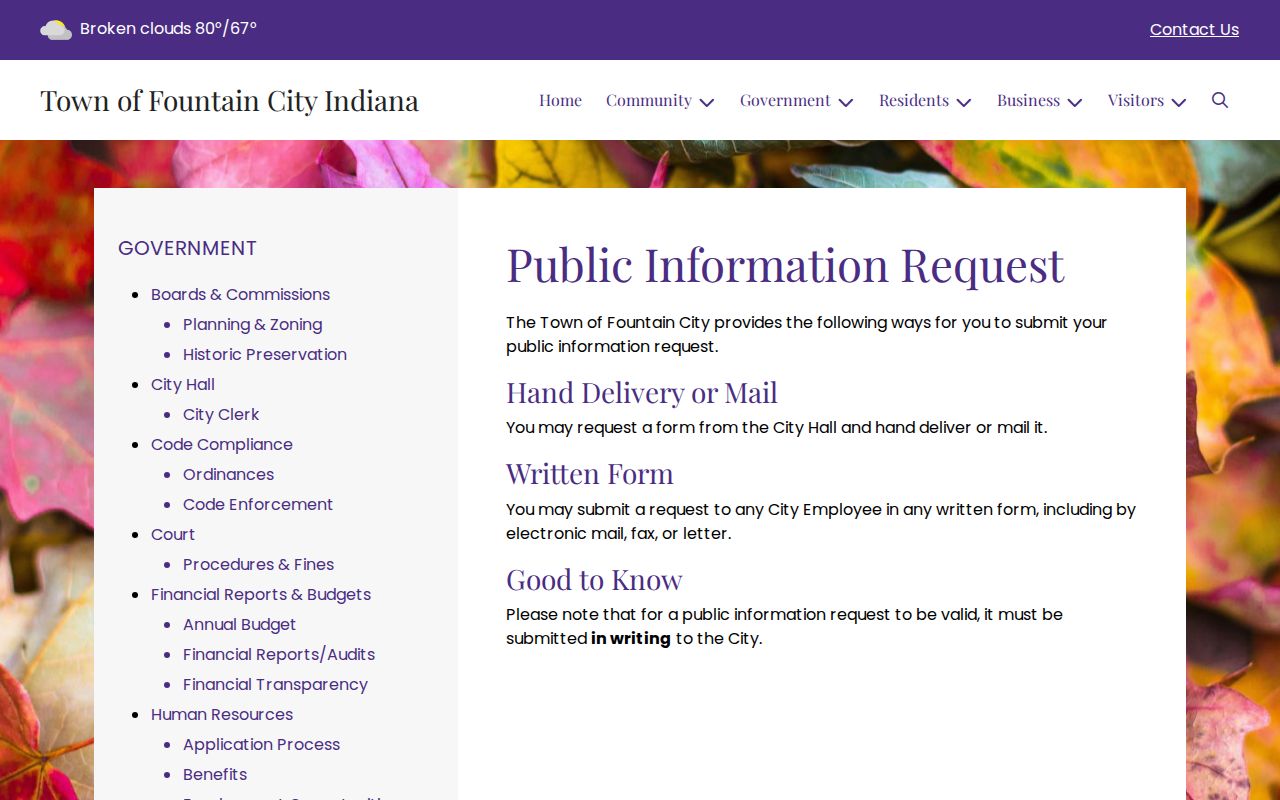
Those hand-delivery, mail, email, fax, and letter options can obtain town records, but they cannot substitute for confirmation from the issuing court. When Wayne County sources disagree, call that court. Its order outweighs a payment screen, a city notice, an old warrant list, or any informal description.
Fountain City Traffic Warrant Routing
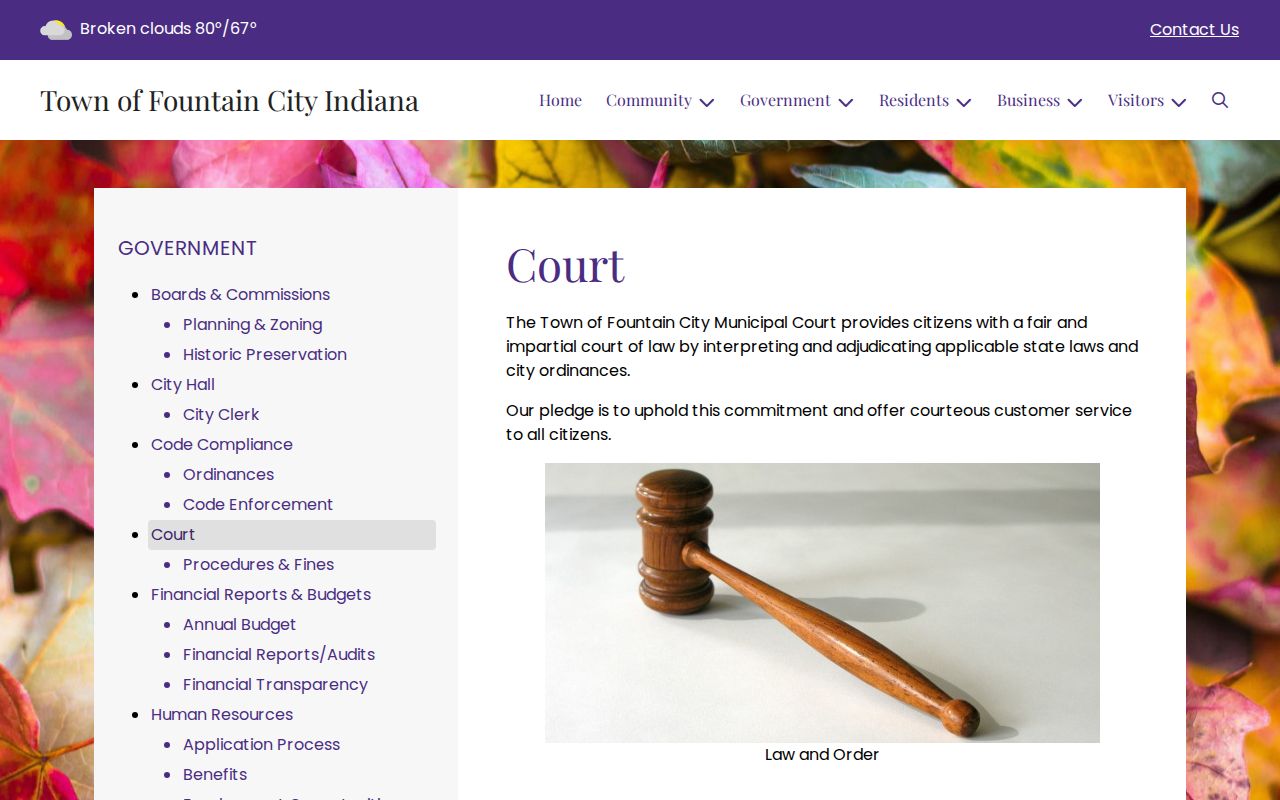
The Fountain City court page describes a municipal court handling state laws and city ordinances. It posts no detailed procedures or fines. The current Indiana court directory does not list it separately either. Before relying on the town page, confirm the court's operating status with Wayne County's main resources.
Fountain City sits in Wayne County, and its police page is the local starting point for a traffic warrant question. The Fountain City Police page names the marshal and gives the town's official contact route.
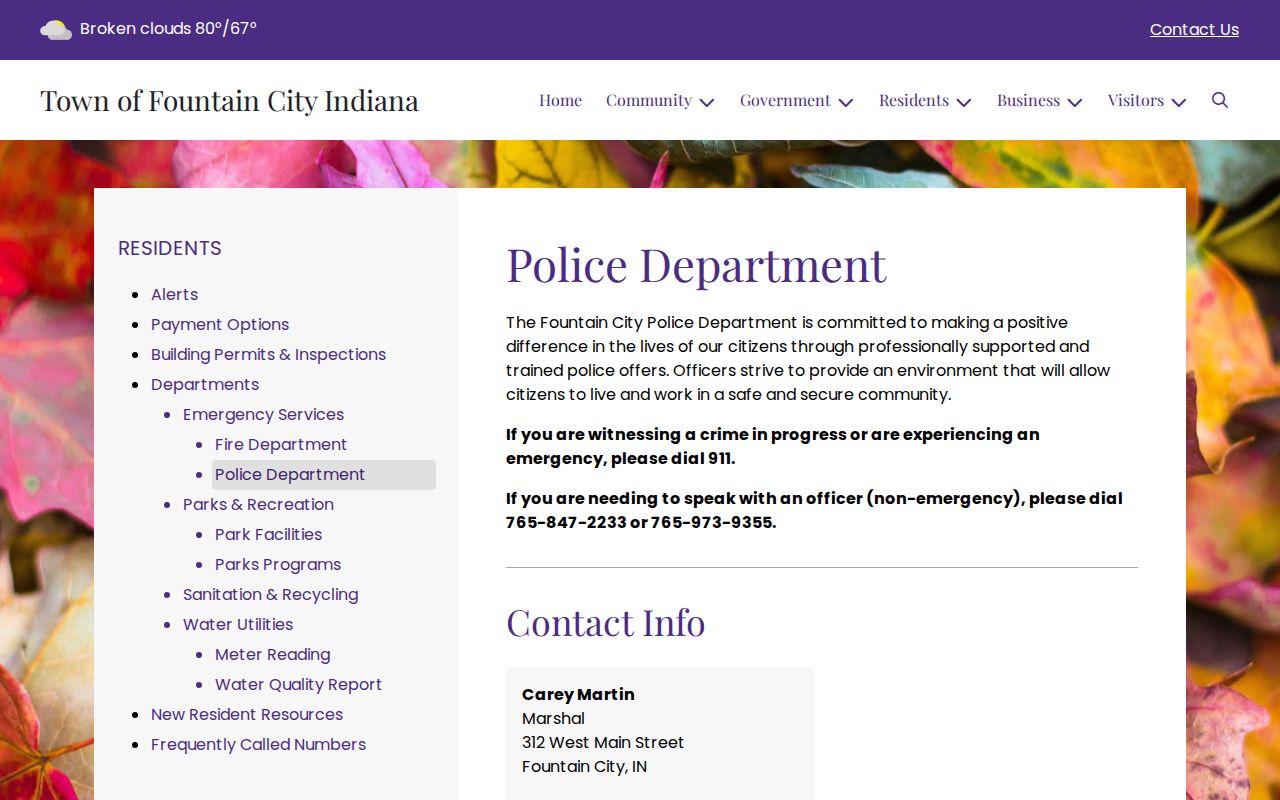
For a Wayne County traffic warrant, the court record is what counts. Police can point you there, but only the court or Wayne County Clerk can confirm it.
Wayne County Town Context
Traffic cases in Wayne County run through different channels depending on the town. Richmond sends city tickets to Superior III. Hagerstown keeps a separately listed Town Court. Fountain City describes a court locally, though the state directory shows a gap there. Centerville and Cambridge City post police contacts, but neither town offers a city warrant portal. The official Census incorporated-place table gives the population context behind these local routes.
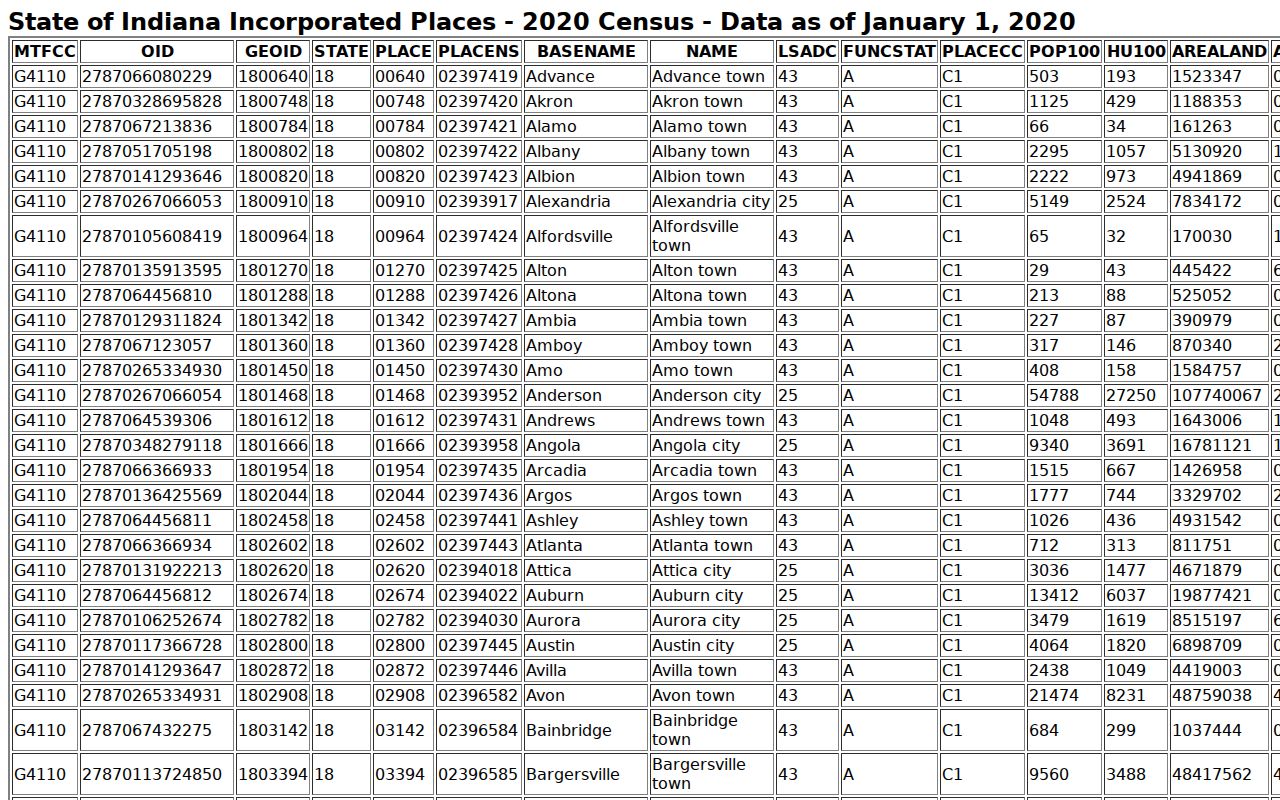
In Wayne County, population rank never decides which court holds a traffic case. Check the citation, the docket, and the current directory instead.